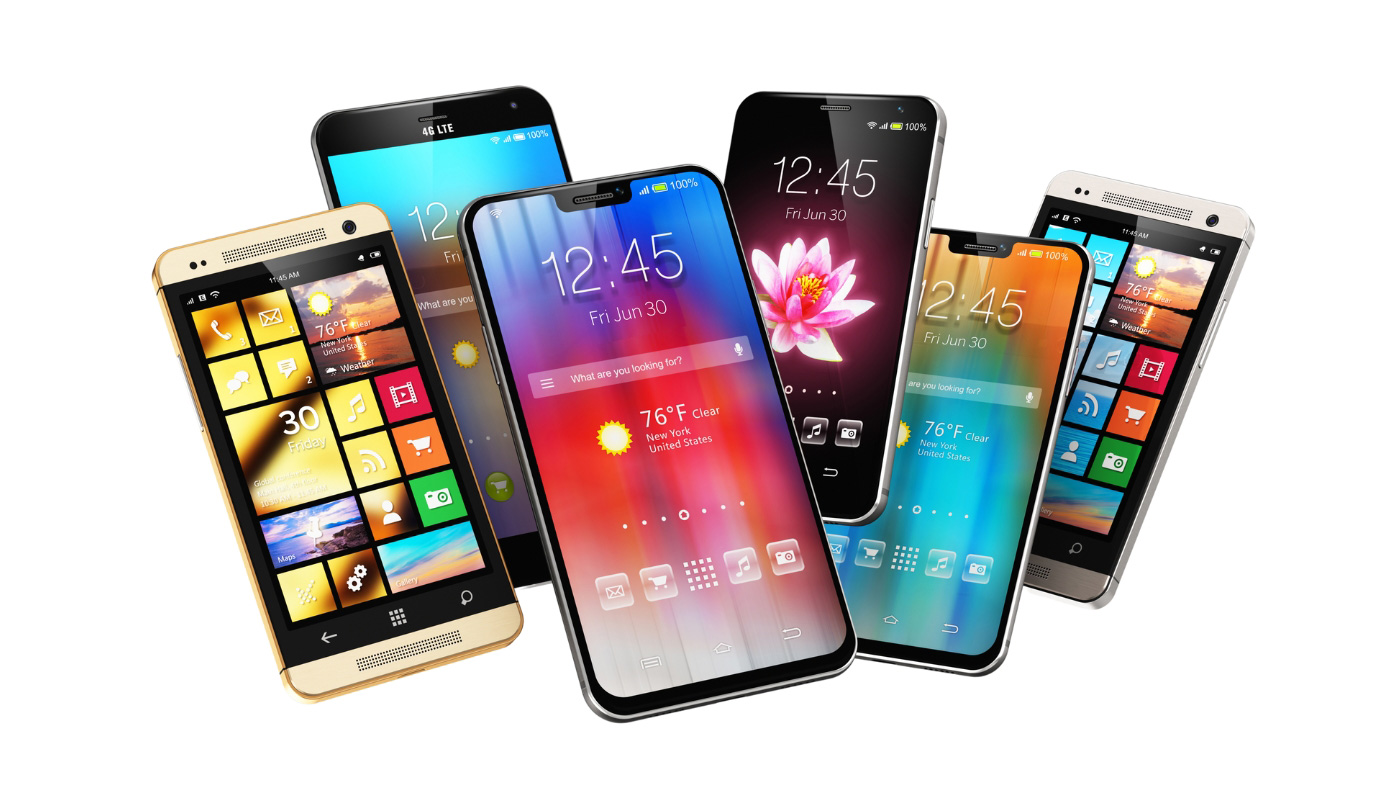
The Power of Distraction: How Your Phone Controls Your Attention
In today's digital age, our phones have become an integral part of our daily lives, often serving as both a tool for productivity and a source of constant distraction. With a single notification, our attention can shift instantly from important tasks to social media feeds or entertainment apps. This is not just a coincidence; various studies reveal that the design of our mobile devices is intentionally crafted to capture and hold our attention, keeping users engaged longer than they might consciously choose. As a result, we find ourselves struggling to concentrate, which can ultimately affect our productivity and mental well-being.
The mechanics behind this distraction revolve around a combination of psychological triggers and the persuasive design of apps that utilize techniques such as variable rewards and infinite scrolling. Researchers suggest that our brains are wired to respond to these stimuli, making it difficult to resist the urge to check our devices. To combat this loss of focus, individuals can implement strategies such as setting specific times for phone usage, utilizing 'do not disturb' modes, and prioritizing tasks to boost their capacity for sustained attention. By reclaiming control over our devices, we can enhance our productivity and overall quality of life.
Counter-Strike is a popular first-person shooter video game that emphasizes team-based gameplay. Players join either the terrorist or counter-terrorist side and compete to complete objectives or eliminate the opposing team. For those looking to enhance their gaming experience, check out the Top 10 iPhone accessories under 25, which can help improve your mobile gaming setup.
Breaking Free: Tips for Reclaiming Your Time from Your Smartphone
In today's digital age, it's all too easy to become overwhelmed by the constant notifications and distractions that our smartphones bring. To reclaim your time, start by setting aside specific phone-free periods throughout your day. For example, designate the first hour after you wake up and the last hour before you go to bed as no-phone zones. This not only helps you focus on more fulfilling activities like reading or exercising but also improves your overall mental health.
Another effective strategy is to utilize the do not disturb feature on your smartphone. By silencing non-urgent notifications, you can break free from the constant temptation to check your device. Additionally, consider deleting non-essential apps that consume your time without providing much value. As you implement these changes, you'll find yourself regaining precious minutes that can be better spent nurturing your passions and relationships, making the challenge of breaking free from your smartphone a rewarding endeavor.
Is Your Phone the New Social Boss? Understanding Its Impact on Relationships
The emergence of smartphones has drastically transformed the way we interact with the world and each other. The question 'Is your phone the new social boss?' is increasingly relevant as we consider the impact these devices have on our relationships. Smartphones have become a central figure in our daily lives, shaping our communication patterns and social interactions. Studies have shown that excessive phone use can lead to feelings of isolation and anxiety, even when individuals are surrounded by friends and family. This underlines the paradox of our relationship with technology—while it connects us to a global network, it can simultaneously create distance in our personal connections.
Moreover, the presence of a smartphone during social interactions can lead to significant disruptions in communication. A recent survey indicated that nearly 70% of respondents felt that their conversations were often interrupted by phone notifications. This phenomenon, often referred to as 'phubbing,' compromises the quality of our relationships and can lead to resentment among friends and partners. To combat this, many experts recommend setting aside designated 'phone-free' periods to enhance in-person interactions and strengthen connections with those around us. Embracing such practices can help reclaim our social lives from the grip of our devices and foster healthier relationships.