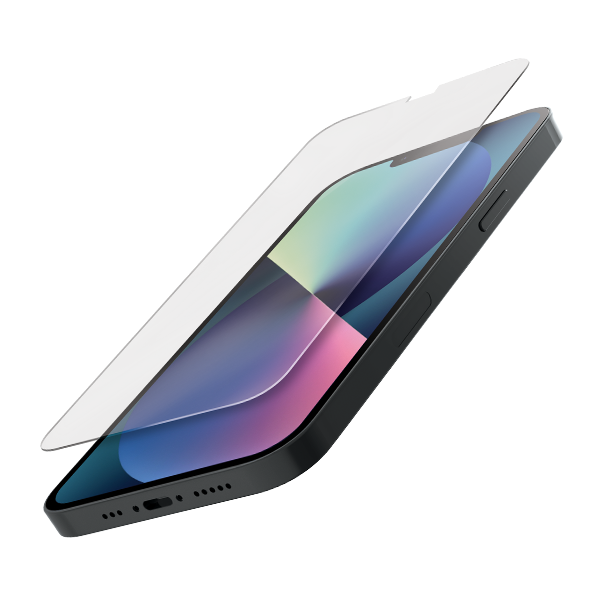
The Ultimate Guide to Choosing the Right Screen Protector for Your Phone
Choosing the right screen protector for your phone can significantly impact the longevity and durability of your device. With several options available, it's crucial to understand the different types of screen protectors that cater to various needs. Tempered glass protectors are known for their high level of protection against impacts and scratches, while plastic film offers a more lightweight solution that is easy to apply. When selecting a screen protector, consider factors such as price, durability, and clarity, as these can all affect your overall smartphone experience.
Another important aspect to consider is the installation process of the screen protector. Some products come with installation kits, while others may require professional help. To ensure a bubble-free application, follow the manufacturer's instructions carefully. Additionally, remember to check for features like anti-glare and anti-fingerprint coatings to enhance your phone's usability. Investing in a quality screen protector not only protects your device but also maintains its aesthetic appeal over time.
Counter-Strike is a highly popular first-person shooter video game franchise that pits teams of terrorists against counter-terrorists in various game modes. Players use a variety of weapons and tactics to achieve objectives, making teamwork and strategy essential for success. For gamers looking to optimize their experience, check out the Top 10 Samsung Galaxy S Accessories to enhance performance and convenience while gaming.
Top 5 Myths About Screen Protectors Debunked
In today's digital age, screen protectors have become an essential accessory for smartphones and tablets, but several myths surrounding their effectiveness persist. One of the most common misconceptions is that all screen protectors are created equal. In reality, the market offers various types of protectors, including tempered glass and film protectors, each with distinct features. For instance, tempered glass protectors provide better impact resistance, while film protectors are thinner and easier to apply. Understanding the differences can help users make informed decisions about which type best suits their needs.
Another frequently cited myth is that using a screen protector will alter the touch sensitivity of your device. Many users worry that their screen will become less responsive, leading to a subpar experience. However, most high-quality screen protectors are designed to maintain the original touch sensitivity of the device. It’s essential to read reviews and select a reputable brand to ensure that your screen remains as responsive as ever. By debunking these myths, users can better appreciate the value that screen protectors bring to their devices.
How Do Screen Protectors Work? The Science Behind the Shield
Screen protectors are designed to shield your device's display from scratches, impacts, and everyday wear and tear. The science behind these protective layers begins with their material composition. Most screen protectors are made from either plastic (like PET or thermoplastic polyurethane) or tempered glass. Plastic protectors are lightweight and flexible, offering a basic level of protection against scratches. Tempered glass protectors, on the other hand, provide superior strength and durability. They are manufactured through a process of extreme heating and rapid cooling, which increases their resistance to impact and shattering, making them a popular choice for many smartphone users.
The effectiveness of a screen protector hinges on its ability to absorb and disperse energy upon impact. When a device is dropped, the impact forces are transferred to the screen protector first, preventing the actual device screen from experiencing the full force of the impact. Additionally, many modern screen protectors come equipped with additional features such as oleophobic coatings, which create a smudge-resistant surface, and anti-blue light filtering technologies, that protect your eyes from harmful blue light emissions. By understanding the science behind the shield, consumers can make informed decisions on the best type of protection for their devices, ensuring longevity and maintaining device aesthetics.