Understanding Frequency Response: The Key to True Sound Quality
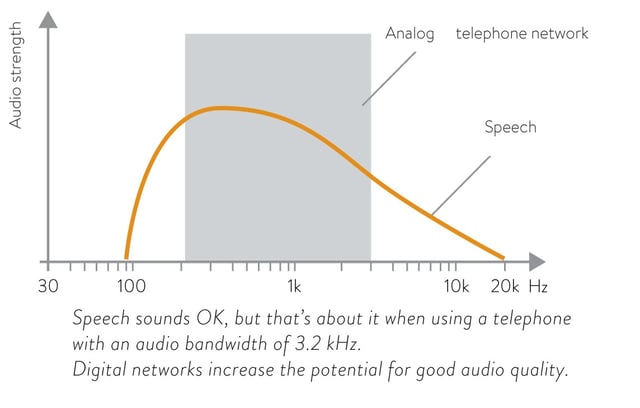
Understanding Frequency Response is essential for anyone seeking to optimize their audio experience. Frequency response refers to the range of frequencies that a sound system can reproduce, which directly impacts sound quality. A wide frequency response allows for more accurate reproduction of sounds, ensuring that both deep bass notes and soaring treble notes are heard clearly. For example, a typical speaker might have a frequency response ranging from 20 Hz to 20 kHz, which covers the full spectrum of human hearing. It is crucial to choose audio equipment with a frequency response that suits your listening environment and preferences, as this can significantly affect your overall enjoyment of music or other audio content.
The concept of frequency response can be broken down into several key aspects that contribute to true sound quality. Firstly, the flat frequency response curve is often considered ideal, as it ensures that all frequencies are reproduced at the same level, preserving the original sound. Secondly, room acoustics play a vital role in how sound is perceived; the characteristics of your space can amplify or dampen certain frequencies, altering the overall sound quality. Finally, different audio equipment, such as headphones and speakers, have distinct frequency response profiles that can enhance or detract from the listening experience. Understanding these elements empowers you to make informed decisions about your audio gear, allowing you to achieve the best possible sound quality in your personal listening environment.
Counter-Strike is a highly competitive first-person shooter game that has captivated players since its release. The gameplay revolves around various game modes, where teams of terrorists and counter-terrorists compete to complete objectives or eliminate each other. For gamers looking to enhance their experience, it’s essential to have the right gear. Check out the Top 10 Earbuds with Long Battery Life to find the perfect audio solution for those intense matches.
Digital vs. Analog: Which Format Wins for Audiophiles?
When it comes to the age-old debate of Digital vs. Analog, audiophiles find themselves at a crossroads, each format boasting its unique merits. Analog sound, often associated with vinyl records and cassette tapes, is praised for its warm, rich tones and the characteristic subtleties that digital formats sometimes fail to capture. Many enthusiasts argue that the imperfections and dynamic range of analog recordings create a listening experience that feels more authentic and organic. Conversely, digital audio, heralded for its clarity and convenience, offers a level of precision that allows for pristine sound reproduction. With formats like high-resolution audio and lossless compression, audiophiles can enjoy their favorite tracks with unparalleled detail and fidelity.
Ultimately, the choice between digital and analog often boils down to personal preference and the specific listening environment. For instance, those who treasure the tactile experience of handling vinyl records may lean towards analog setups, reveling in the ritual of placing a needle on a record. On the other hand, tech-savvy listeners who prioritize portability and the ability to access vast music libraries may favor digital formats. Each format has its champions, and rather than declaring an outright winner, it may be more beneficial to appreciate the strengths of both. As audiophiles continue to explore the nuances of sound, the debate between digital and analog will persist, inviting enthusiasts to embrace the best of both worlds.
How Room Acoustics Affect Your Listening Experience
The impact of room acoustics on your listening experience cannot be overstated. Whether you're enjoying your favorite music or immersing yourself in a movie, the way sound interacts with your room's surfaces—such as walls, floors, and furniture—plays a crucial role. For optimal sound quality, it is essential to recognize that acoustic elements like reverberation time, absorption, and diffusion can either enhance or detract from what you hear. In fact, proper acoustic treatment can help reduce unwanted echoes and background noise, leading to a clearer, more enjoyable listening environment.
To understand how room acoustics affect your experience, consider implementing some simple strategies. Start by arranging your furniture to create a balanced sound landscape and adding elements like rugs or heavy curtains to absorb excess sound. Additionally, you may choose to invest in acoustic panels or bass traps for more advanced sound control. With these adjustments, you can significantly improve the clarity and richness of your audio experience, making it one that is both immersive and enjoyable.