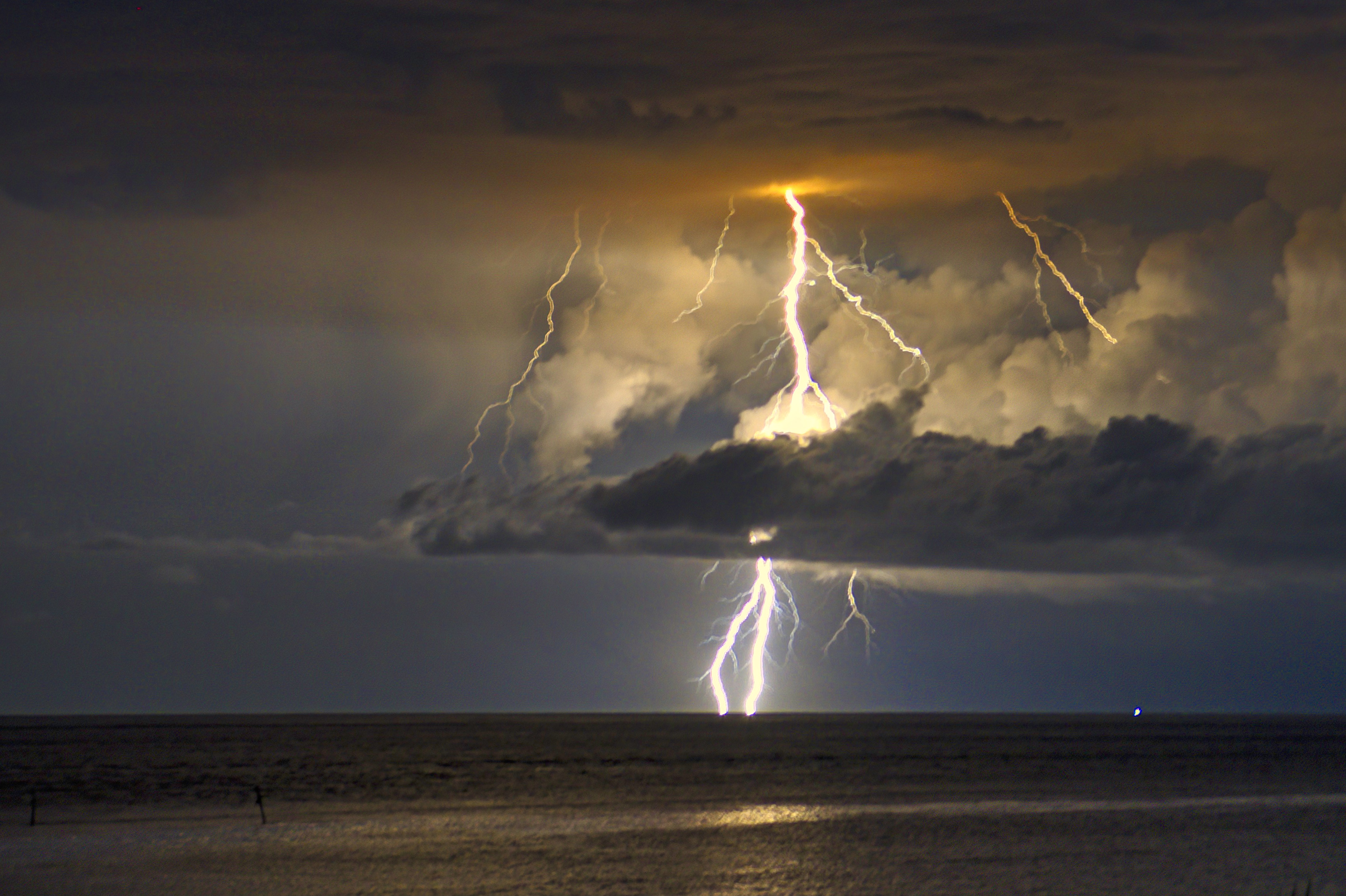
The Science Behind Lightning: How Nature Creates Electric Discharges
The science behind lightning is a fascinating intersection of meteorology and physics. Lightning is an electrostatic discharge that occurs during thunderstorms, arising from the movement of charged particles within clouds. Nature facilitates this process through the collision of ice particles, causing a build-up of electric charge. When the difference in charge between regions becomes significant enough, it creates a pathway for a discharge; this is what we observe as a flash of lightning. The various types of lightning, such as cloud-to-ground or intra-cloud, highlight the complex mechanisms that drive these dramatic natural displays.
To further understand how nature creates these electric discharges, scientists study the conditions that promote lightning. Factors such as humidity, temperature, and wind play crucial roles in storm development. For instance, when warm, moist air rises rapidly, it can create a strong updraft that encourages the formation of cumulonimbus clouds. These clouds can transform into storm systems capable of producing intense lightning. According to research, approximately 25 million lightning strikes occur in the United States annually, emphasizing the profound impact of this natural phenomenon. Lightning is not just a spectacle; it is a vital component of our ecosystem, helping to fix nitrogen in the atmosphere and contribute to soil fertility.
Counter-Strike is a popular first-person shooter game that has captivated gamers since its launch. Players engage in team-based combat, with one team taking on the role of terrorists and the other as counter-terrorists. The game emphasizes strategy, teamwork, and quick reflexes, making it a staple in the competitive gaming scene. For those looking to enhance their gaming experience, investing in quality equipment is essential. Check out the Top 10 iphone charging cables that can help keep your devices powered during intense gaming sessions.
Top 10 Fascinating Facts About Lightning You Didn't Know
The phenomenon of lightning is not only awe-inspiring but also packed with fascinating facts that many people are unaware of. For instance, did you know that lightning can strike the same place multiple times? In fact, the Empire State Building is hit by lightning around 20 to 25 times each year! This powerful natural event is more than just a visual spectacle; it generates extreme temperatures, reaching up to 30,000 degrees Fahrenheit, which is five times hotter than the surface of the sun.
Moreover, there are different types of lightning, each unique in its form and behavior. One of the most intriguing types is ball lightning, which appears as glowing, spherical objects floating during thunderstorms. Additionally, lightning can travel horizontally, with a phenomenon known as sheet lightning, illuminating the sky in a dazzling display without accompanying thunder. These captivating traits highlight just how fascinating lightning truly is, encouraging us to look closer at the natural world around us.
What Causes Lightning? Understanding the Phenomenon and Its Impact on Earth
Lightning is a natural discharge of electricity that occurs in the atmosphere, typically during thunderstorms. The phenomenon arises when static electricity builds up within storm clouds; this occurs due to the collision of ice particles within the cloud. These collisions result in the separation of charges, with positive charges accumulating at the top and negative charges at the bottom of the cloud. When the electrical potential between these charged areas becomes too great, it creates a pathway for discharge—resulting in a brilliant flash of lightning that can reach temperatures of approximately 30,000 degrees Fahrenheit.
The impact of lightning on Earth is significant and can lead to both beneficial and detrimental effects. On one hand, the nitrogen fixation process initiated by lightning helps enhance soil quality, enriching plant growth. On the other hand, lightning poses serious dangers, causing wildfires, significant property damage, and even fatalities. It is crucial for individuals in areas prone to storms to understand how to respond appropriately when thunderstorms occur, such as seeking shelter indoors and avoiding tall structures and open fields to minimize the risk of lightning strikes.