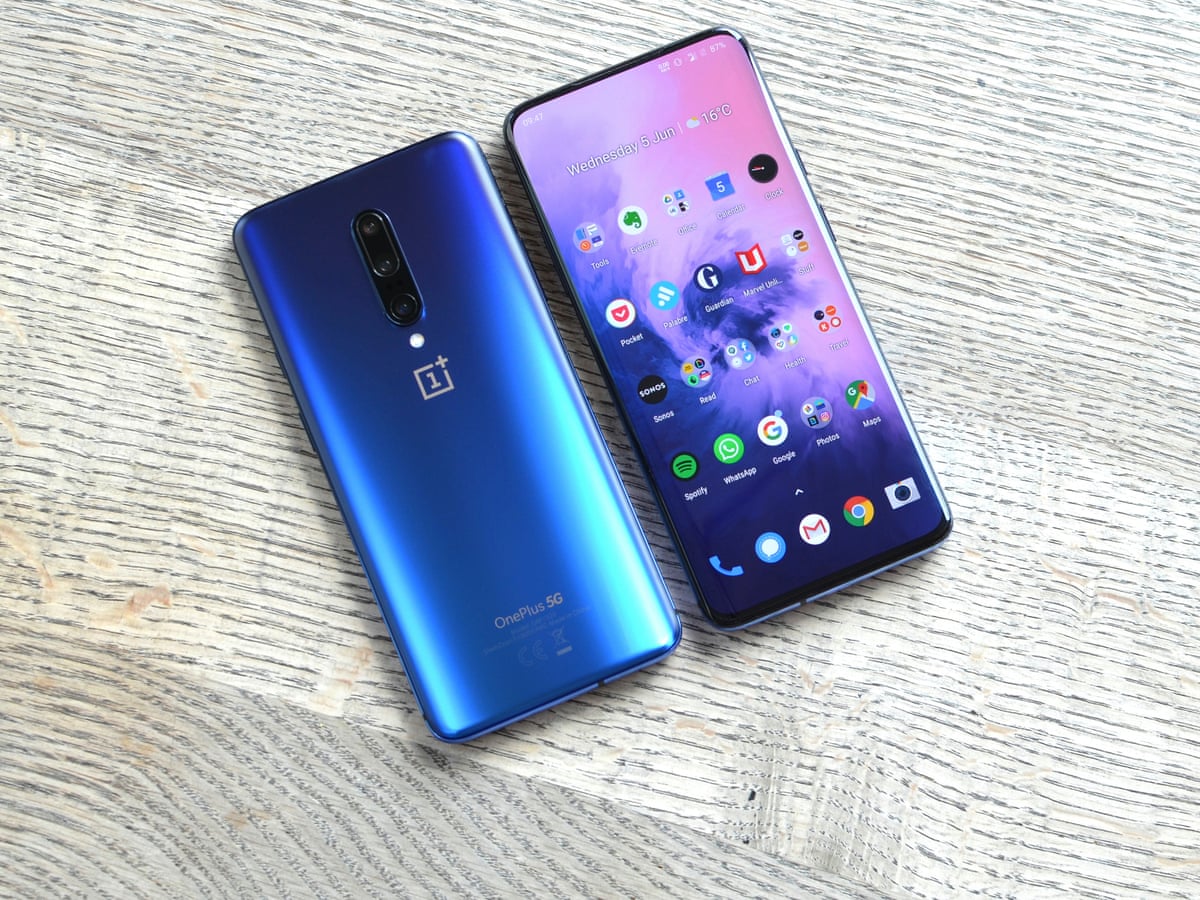
10 Surprising Features of Smartphones That Show Their Intelligence
In today's digital age, smartphones are more than just communication devices; they have evolved into intelligent companions that can enhance our daily lives in surprising ways. One notable feature is their AI-powered voice assistants, such as Siri or Google Assistant, which can understand natural language commands and perform tasks like setting reminders or fetching information. Additionally, smartphones are equipped with advanced camera systems that utilize machine learning to optimize photo quality, automatically adjusting settings based on lighting conditions and subject recognition.
Another remarkable aspect of smartphones is their ability to learn from user behavior. Many smartphones come with adaptive battery technology, which analyzes your usage patterns to conserve battery life by prioritizing power for frequently used apps. Furthermore, smartphones increasingly incorporate augmented reality (AR) features, allowing users to visualize and interact with digital objects in the real world. From navigating new environments to enhancing gaming experiences, these smart features demonstrate just how intelligent modern smartphones can be.
Counter-Strike is a widely popular first-person shooter game that has captivated players around the world since its release. With its competitive gameplay and team-based mechanics, it has fostered a vibrant esports community. If you're looking to enhance your gaming experience, check out the Top 10 magsafe car mounts for recommendations that can keep your devices secure while you're on the go.
How Your Smartphone Understands You: The Technology Behind Smart Assistants
Smart assistants on smartphones have revolutionized the way we interact with technology, enabling us to perform tasks hands-free. At the core of this capability lies advanced natural language processing (NLP) technology, which allows devices to understand and respond to user commands. Speech recognition algorithms convert spoken words into text, while machine learning techniques analyze that text to grasp user intent. This process not only helps in responding accurately but also enhances over time by learning from user interactions, making the assistant more efficient and personalized.
Furthermore, the integration of artificial intelligence (AI) plays a crucial role in the functionality of smart assistants. These systems utilize vast amounts of data to build contextual awareness, understanding the nuances of different inquiries. For instance, when you ask your assistant about the weather, AI processes not just the words but also factors like your location and the time of day. This cognitive ability allows smart assistants to offer not just relevant information but also insightful recommendations, transforming the way we manage our daily tasks.
Is Your Smartphone a Better Problem Solver Than You? Exploring Its AI Capabilities
In today's fast-paced world, smartphones have evolved into powerful tools that can often outsmart their users. With advanced AI capabilities, these devices are equipped to solve problems ranging from simple calculations to complex decision-making. For example, AI-driven virtual assistants like Siri and Google Assistant can help you plan your day by managing your calendar, setting reminders, and even suggesting the best routes for your commute. This raises the question: Is your smartphone a better problem solver than you? When faced with daily challenges, our reliance on these technologies increases, prompting us to consider how much we depend on our devices for assistance in our lives.
Moreover, AI technology in smartphones is designed to learn and adapt to our preferences over time, making them increasingly intuitive. Consider how applications like Google Maps use real-time traffic data and AI algorithms to suggest the quickest routes. This can be particularly advantageous for busy individuals who need to maximize their efficiency. However, while smartphones can process data and provide solutions at lightning speed, it’s essential to remember that human judgment and creativity remain invaluable. So, as we explore the question of whether smartphones are better problem solvers than humans, it becomes clear that while technology enhances our abilities, fostering a balance between reliance on AI and our own problem-solving skills is crucial for personal growth.