The Science Behind Wireless Charging: How It Works
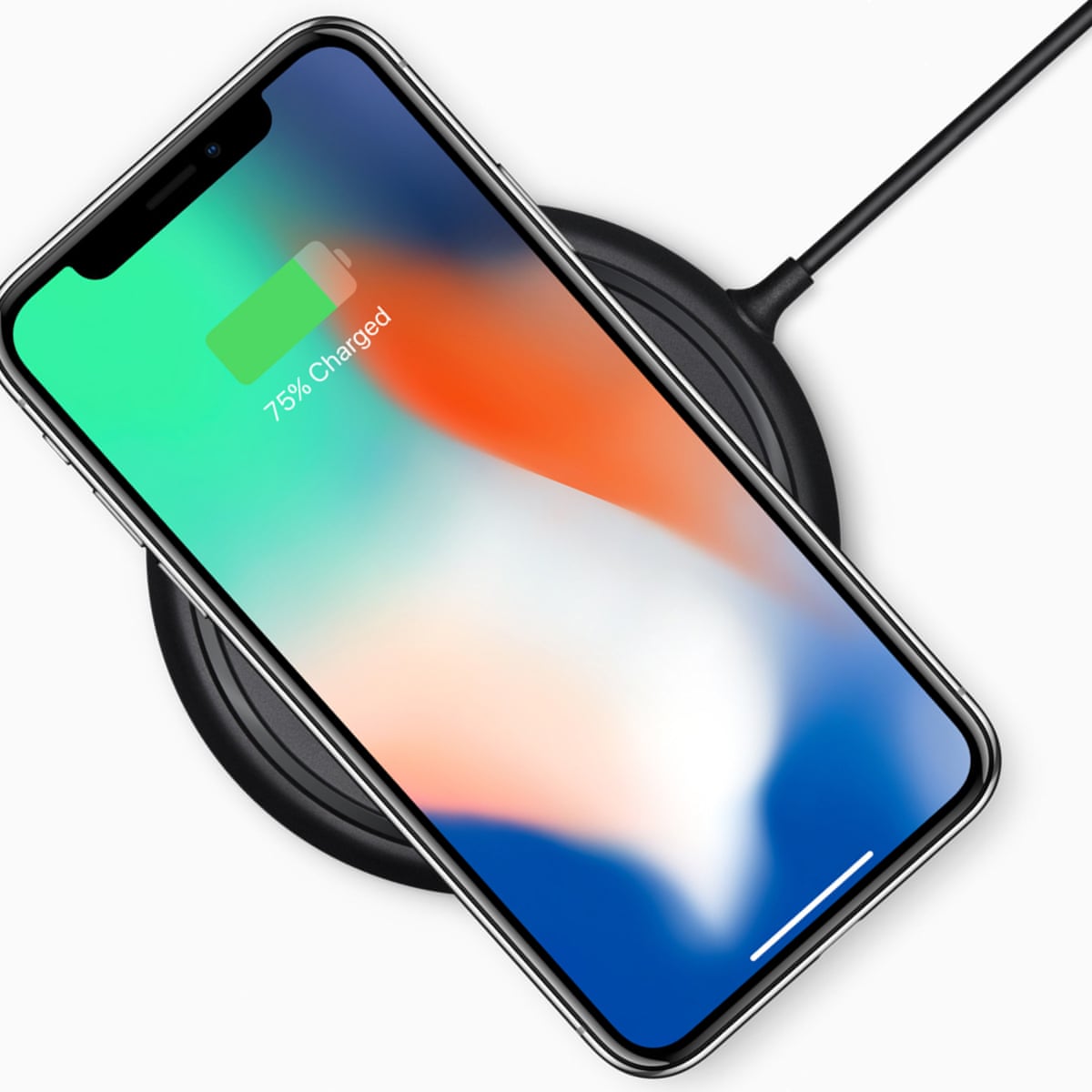
The science behind wireless charging revolves around the principles of electromagnetic induction. This process involves two coils: a transmitter coil embedded in the charging pad and a receiver coil positioned in the device that needs charging. When the charger is plugged in, an alternating current flows through the transmitter coil, generating an electromagnetic field. The receiver coil captures this field and converts it back into electrical energy, which is then used to charge the device's battery. This method not only provides the convenience of going cord-free but also minimizes wear and tear on charging ports.
There are several key technologies that facilitate this wireless charging process, including Qi, PMA, and A4WP. The Qi standard, developed by the Wireless Power Consortium, is the most widely adopted protocol, allowing for cross-manufacturer compatibility. As the technology advances, wireless charging is evolving to allow faster charging speeds and greater efficiency. However, it’s important to note that while wireless charging offers remarkable convenience, it may be slightly less efficient than traditional wired methods, which can impact charging times and energy consumption.
Counter-Strike is a popular multiplayer first-person shooter that pits terrorists against counter-terrorists in various game modes. Players can choose to engage in intense matches while utilizing teamwork and strategy to secure objectives. For those looking to protect their devices while gaming, check out the Top 10 iPhone slim cases to keep your phone safe during those intense gaming sessions.
The Pros and Cons of Wireless Charging: Is It Worth It?
Wireless charging has gained immense popularity due to its convenience and modern appeal. One of the most notable pros is the simplicity it offers: just place your device on a charging pad and watch it power up without fumbling with cables. Additionally, wireless charging reduces wear and tear on charging ports, extending the lifespan of your device. Furthermore, it eliminates the hassle of tangling wires, making it an aesthetically pleasing option for those who appreciate a tidy space.
However, there are cons to consider. The efficiency of wireless charging is generally lower than that of traditional charging methods, resulting in longer charging times. Moreover, the heat generated during the charging process can potentially harm your battery life over time. Lastly, wireless chargers can be more expensive than their wired counterparts. When weighing these factors, it's essential to ask yourself: is the convenience of wireless charging worth the trade-offs?
Future Trends in Wireless Charging Technology: What to Expect
The landscape of wireless charging technology is rapidly evolving, with several key trends anticipated to shape its future. One of the most significant developments is the push towards higher efficiency and faster charging capabilities. Innovations in materials science, such as the use of resonant inductive coupling, are expected to facilitate quicker energy transfer without compromising safety. Additionally, we will likely see a rise in the adoption of standards such as the Qi protocol across various devices, leading to greater compatibility and convenience for users.
Another exciting trend is the integration of wireless charging technology into everyday environments. From furniture equipped with charging pads to public spaces featuring charging stations, the aim is to create a seamless user experience. Furthermore, advancements in solar-powered wireless chargers could significantly enhance the sustainability of this technology, allowing for charging solutions that depend on renewable energy. As these trends unfold, staying informed will be essential for both consumers and manufacturers looking to embrace the future of power delivery.