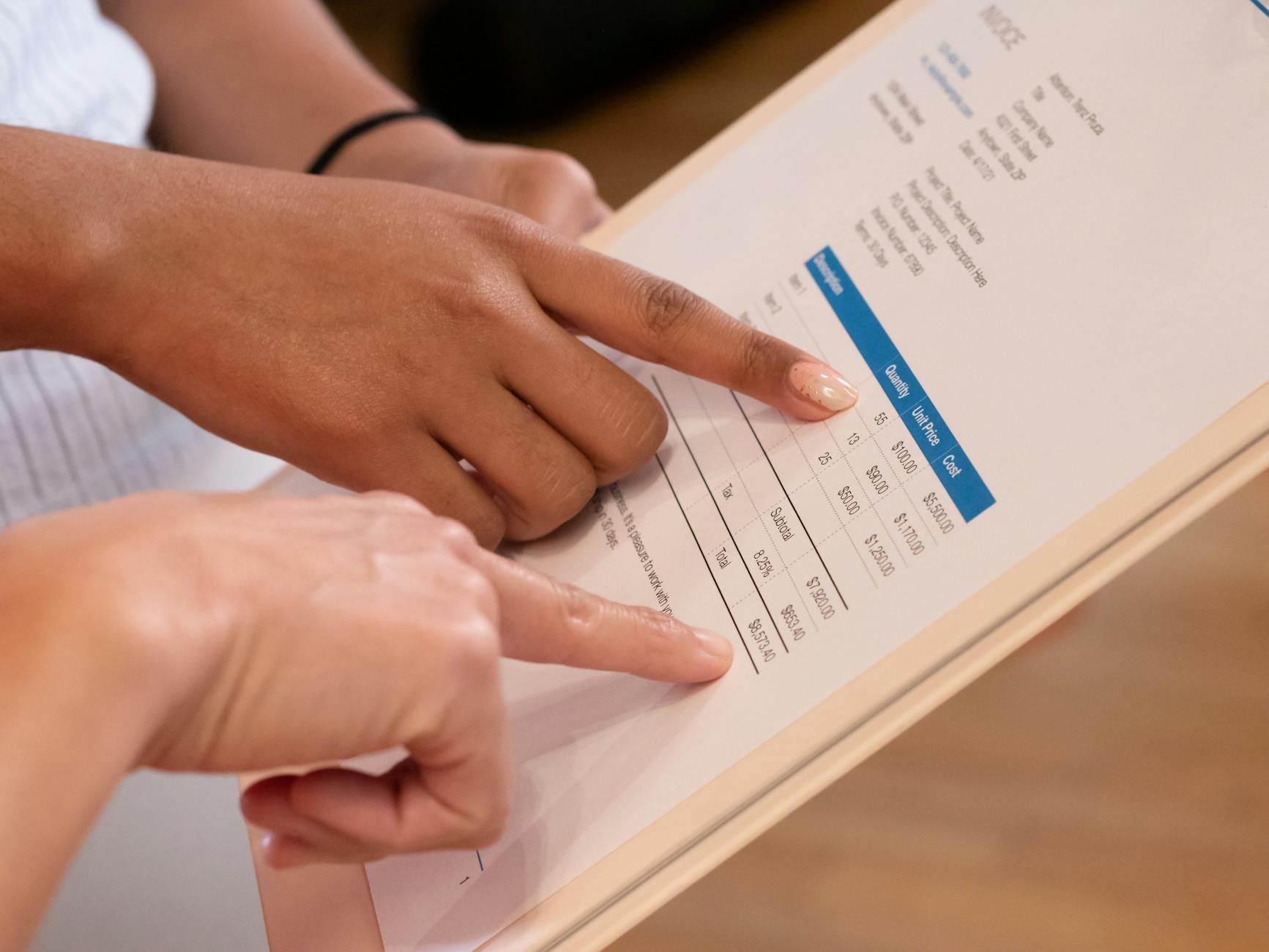
Understanding Your E-invoicing Requirements: From Compliance to Choosing the Right Solution
Navigating the complex landscape of e-invoicing is no small feat, particularly when considering the evolving regulatory frameworks across different regions. At its core, understanding your requirements begins with a deep dive into compliance mandates. This isn't just about avoiding penalties; it's about establishing a robust, legally sound invoicing process. Factors like mandatory B2B e-invoicing (as seen in Italy with FatturaPA or upcoming in France), specific data reporting requirements, and archiving regulations all dictate the baseline for any solution you consider. Furthermore, businesses must assess their internal accounting systems and existing ERP integrations to ensure a seamless transition and minimize operational disruptions. Ignoring these foundational compliance elements can lead to significant legal and financial repercussions, underscoring their critical importance.
Once compliance is thoroughly understood, the focus shifts to choosing the right e-invoicing solution that aligns with your operational needs and strategic goals. This involves evaluating various criteria beyond mere regulatory adherence. Consider the scalability of the solution – can it grow with your business? What about its integration capabilities with your current tech stack, including ERPs, CRM, and accounting software? User experience is paramount; a clunky, difficult-to-use system will hinder adoption and efficiency. Key features to look for include automated validation, comprehensive reporting capabilities, secure data transmission protocols, and robust audit trails. A well-chosen solution should not only meet compliance but also drive internal efficiencies, reduce manual errors, and ultimately contribute to a healthier bottom line by streamlining your financial processes.
Navigating the world of e-invoicing can be complex, but understanding the terminology is a crucial first step. An E-invoicing glossary provides clear definitions for industry-specific terms, helping businesses understand everything from different invoice formats to regulatory compliance. This essential resource ensures that all stakeholders have a shared understanding of the concepts involved, streamlining the transition to digital invoicing and avoiding potential misunderstandings.
Mastering E-invoicing Deadlines: Practical Tips and Common Questions Answered
Navigating the complex landscape of e-invoicing deadlines can feel like a high-stakes race against the clock, especially with varying regulations across different jurisdictions and industries. Missing these crucial cut-offs isn't just a minor inconvenience; it can lead to significant penalties, delayed payments, and even reputational damage with suppliers and customers. To avoid these pitfalls, a proactive approach is paramount. Understanding the specific submission windows for different invoice types – for instance, government contracts versus B2B transactions – is your first line of defense. Remember, ignorance is not an excuse when it comes to compliance. Tools and technologies can be your greatest ally in this endeavor, helping you automate processes and flag impending deadlines well in advance.
Common questions often revolve around the practicalities of meeting these deadlines, particularly for businesses transitioning from traditional paper-based systems. Many ask,
"What happens if our system experiences a technical glitch right before a deadline?"or
"How do we handle last-minute invoice adjustments and still submit on time?"The key lies in robust planning and having contingency measures in place. Consider these practical tips:
- Implement automated reminders: Set up internal alerts weeks, not just days, before a deadline.
- Establish clear internal workflows: Define who is responsible for each stage of the e-invoicing process.
- Leverage cloud-based solutions: These often offer greater reliability and accessibility.
- Regularly review regulatory updates: E-invoicing mandates are dynamic, requiring continuous monitoring.