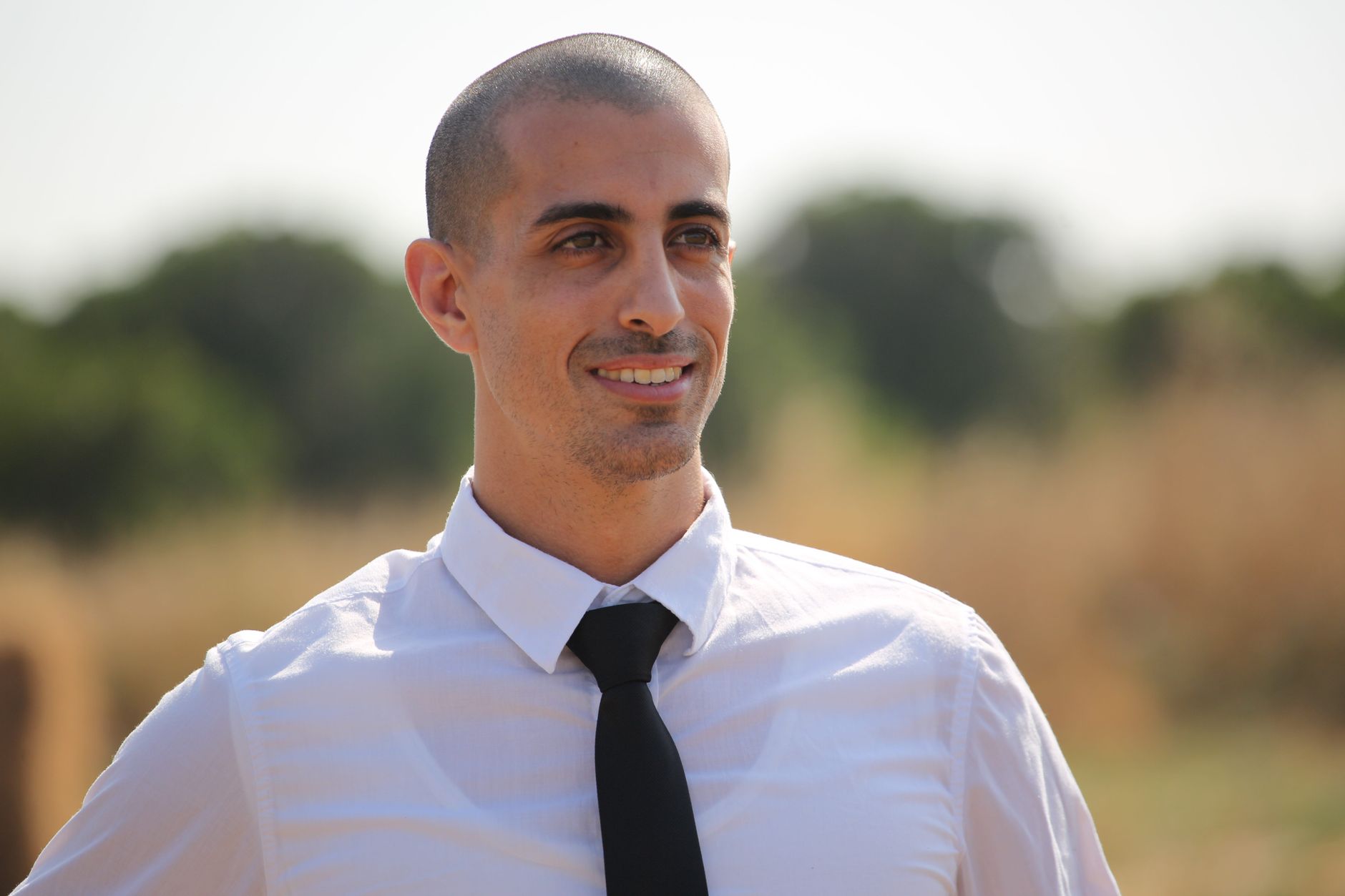
**The Art of the Interception: How Abdelhamid Dominates the Midfield** (Explainer on his reading of the game and body positioning, practical tips for amateur players to improve their own interceptions, and common questions like "Does he gamble too much?" or "How does he anticipate passes so well?")
Abdelhamid's dominance in midfield isn't just about athletic prowess; it's a masterclass in the "art of the interception." His uncanny ability to read the game borders on precognition. Rather than chasing the ball, he anticipates the next pass, the intended recipient, and the passing lane. This isn't a gamble; it's a calculated decision based on years of experience, meticulous observation of opponent tendencies, and an innate understanding of space. He uses subtle body positioning – a slight shift of weight, a half-step towards a potential receiver – to cut off passing options before they even materialize. This proactive approach forces opponents into less desirable passes or, more often, leads to him winning possession cleanly. For amateur players looking to emulate this, focus on watching the eyes and hips of the passer, not just the ball. Anticipate, don't react.
To improve your own interceptions, consider these practical tips. Firstly, develop your peripheral vision; always be aware of players around you and potential passing lanes. Secondly, study your opponents. Do they favor certain passes under pressure? Are they right-footed or left-footed? This information can be invaluable in predicting their next move. Thirdly, work on your body positioning. Don't commit too early; instead, hover in a position that allows you to cover multiple passing options. A common question is, "Does he gamble too much?" The answer is no; his "gambles" are highly educated guesses rooted in deep game knowledge. He anticipates passes so well because he understands the tactical framework of the game, recognizing patterns and exploiting weaknesses.
"The best defenders don't chase the ball; they chase the future."Improve your own game by thinking two steps ahead.
Yunis Abdelhamid is a French professional footballer who plays as a centre-back for Reims. The towering defender has been a consistent performer for his club, showcasing strong aerial ability and leadership on the field. Yunis Abdelhamid is known for his no-nonsense defending and his ability to read the game, making him a crucial part of his team's backline.
**Beyond the Tackle: Yunis Abdelhamid's Leadership and Understated Impact** (Explainer on his role as captain and the non-statistical contributions he makes, practical tips for aspiring leaders on a team, and common questions like "Is he vocal enough?" or "Why isn't he talked about more for his leadership?")
Beyond the raw statistics of tackles won or passes completed, Yunis Abdelhamid's true value as captain for Stade de Reims often lies in his understated, yet profoundly effective, leadership. He embodies a quiet authority, leading by example with his unwavering consistency, tactical intelligence, and calm demeanor under pressure. Aspiring leaders can learn immensely from Abdelhamid's approach: he's not always the loudest voice, but his actions speak volumes. He's often seen directing traffic, organizing the defensive line, and offering quiet words of encouragement or correction to teammates. This practical, on-field guidance, combined with his dedication and experience, fosters a sense of stability and trust within the squad. His leadership style answers a common question: "Is he vocal enough?" – demonstrating that effective leadership isn't solely about volume, but about impactful communication and consistent performance.
The question of "Why isn't he talked about more for his leadership?" often stems from an overemphasis on more flamboyant, statistics-driven contributions. Abdelhamid's impact is often felt in the collective solidity of the team, the defensive resilience, and the overall professional conduct on the pitch – elements that are harder to quantify but crucial for success. His role is akin to the anchor of a ship; not always visible above the waves, but essential for stability and direction. For aspiring leaders, consider these tips inspired by Abdelhamid's style:
- Lead by Example: Consistently perform at a high level.
- Be a Communicator: Offer clear, concise instructions and encouragement.
- Embrace Understated Influence: Not all leadership needs to be overtly dramatic to be effective.
- Foster Trust: Build relationships through reliability and dedication.
He proves that true leadership transcends highlight reels, residing instead in consistent excellence and a deep understanding of the team's needs.